Fallbacks: A Stylish Handwritten Font for Creative Projects
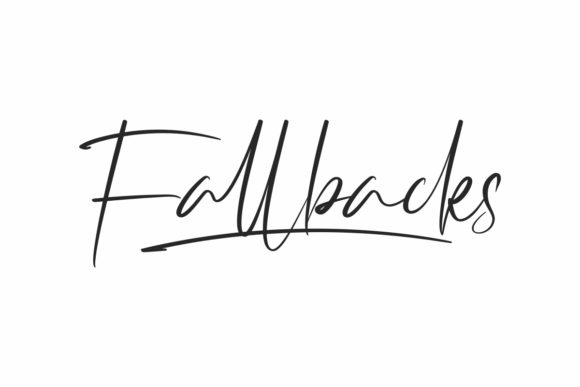
When it comes to design, the right font can make all the difference. Fallbacks is a beautiful and stylish handwritten font that brings elegance and personality to any project. With its well-balanced characters, varying baseline, smooth lines, gorgeous glyphs, and stunning alternates, Fallbacks offers a versatile solution for designers, creators, and professionals looking to enhance their visual communication.
The Power of a Well-Designed Font
A font is more than just a collection of letters—it's a tool that shapes how your message is received. Fallbacks stands out because of its natural, flowing style that mimics handwriting. This makes it ideal for projects where authenticity and warmth are important, such as branding, marketing materials, or personal communications.
Whether you're designing a logo, creating a brochure, or writing a blog post, the choice of font influences readability and aesthetics. Fallbacks ensures that your text remains both legible and visually appealing, even in smaller sizes or on different screens.
Why Fallbacks Matters for Designers and Creators
Fallbacks is particularly valuable for those who need a font that adapts easily to various design contexts. Its balanced characters and smooth lines ensure that it complements a wide range of color schemes, layouts, and media types. This flexibility means that Fallbacks can be used across digital and print formats without losing its charm or clarity.
For example, a small business owner creating a website might use Fallbacks for headings and call-to-action buttons. The font’s stylistic elements help draw attention while maintaining a professional look. Similarly, an educator preparing presentation slides could benefit from using Fallbacks to make text more engaging and approachable.
Enhancing Communication with Fallbacks
Effective communication often relies on the ability to connect emotionally with an audience. Fallbacks helps bridge this gap by adding a human touch to written content. Its varying baseline and alternate glyphs allow for subtle variations in tone and emphasis, making it suitable for storytelling, branding, and other forms of creative expression.
Consider a blogger who wants to create a more personal connection with readers. Using Fallbacks in their blog posts can give the impression of handwritten notes, fostering a sense of intimacy and trust. This can be especially useful for niche audiences or communities where authenticity is key.
Who Can Benefit Most from Fallbacks?
Fallbacks is ideal for a variety of professionals and hobbyists, including:
- Marketers looking to create eye-catching promotional materials.
- Freelancers who want to add a unique flair to their portfolios or client communications.
- Entrepreneurs developing brand identities that stand out in crowded markets.
- Educators aiming to make learning materials more engaging and accessible.
- Bloggers seeking to enhance the visual appeal of their content.
Each of these groups can leverage the distinctive qualities of Fallbacks to achieve specific goals. Whether it's increasing brand recognition, improving engagement, or simplifying complex information, the right font plays a crucial role in achieving success.
Practical Use Cases for Fallbacks
The versatility of Fallbacks makes it suitable for a wide range of applications. Here are a few practical examples of how it can be used effectively:
- Business Cards: A handwritten font like Fallbacks can make a business card feel more personal and memorable. It adds a touch of character that sets the owner apart from competitors.
- Email Signatures: Using Fallbacks in email signatures can help establish a friendly and professional tone. It’s a simple yet effective way to leave a lasting impression.
- Infographics: When presenting data or information, Fallbacks can be used for captions or labels to add a human element to otherwise technical content.
- Social Media Posts: Social media platforms thrive on visual appeal, and Fallbacks can help make posts stand out with its stylish and readable design.
These use cases demonstrate how Fallbacks can be integrated into everyday design tasks to improve outcomes and save time. Its ease of use and adaptability make it a valuable asset for anyone working with text-based content.
Limitations and Considerations
While Fallbacks offers many benefits, it's important to consider when it may not be the best fit. For instance, in situations where maximum readability is required—such as legal documents or technical manuals—a more formal or sans-serif font may be more appropriate.
Additionally, while Fallbacks is designed to be versatile, it may not be suitable for every design context. Users should experiment with different layouts and combinations to ensure that the font complements the overall aesthetic of their project.
It’s also worth noting that some design software or platforms may have limitations in terms of font support. Always check compatibility before finalizing a design to avoid unexpected issues.
Getting Started with Fallbacks
If you're interested in exploring Fallbacks, start by experimenting with it in different contexts. Try using it for headlines, body text, or decorative elements to see how it affects the overall look and feel of your work.
Many design tools and platforms offer font libraries that include Fallbacks. Be sure to explore these options and take advantage of the font's features, such as alternates and glyphs, to create more dynamic and expressive designs.
Remember, the goal is to use Fallbacks in a way that enhances your message rather than distracts from it. By understanding its strengths and limitations, you can make informed decisions that lead to better results.
With its beautiful and well-balanced characters, Fallbacks is a font that can elevate any design project. Whether you're a professional designer or a casual creator, it's worth considering how this elegant and versatile font can help you achieve your goals.