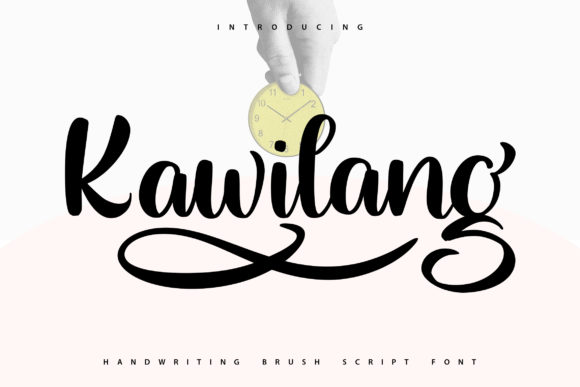
Kawilang: A Bold and Fun Handwritten Font for Strategic Design
Kawilang is more than just a font—it's a design tool that can elevate your creative output when used with intention. As a bold and fun handwritten font, Kawilang brings a sense of personality and authenticity to any project. Whether you're designing branding materials, creating content for social media, or developing marketing collateral, the right font choice can significantly impact how your message is received. Kawilang offers a unique opportunity to stand out in a crowded digital landscape by adding a human touch to otherwise sterile or overly formal designs.
Why Kawilang Is Strategically Useful
Choosing the right font isn't just about aesthetics; it's about strategy. Kawilang’s bold and playful nature makes it ideal for projects where you want to convey energy, creativity, and approachability. It can be particularly effective for brands targeting younger audiences, creative professionals, or anyone looking to break away from conventional typography.
When used strategically, Kawilang can help reinforce brand identity and differentiate your work from competitors. Its handwritten feel adds an element of authenticity that can resonate deeply with audiences who value personalization and originality.
Consider using Kawilang in situations where you want to communicate a sense of spontaneity or innovation. This could include product packaging, website headers, promotional banners, or even educational materials aimed at engaging learners through visual interest.
Key Benefits of Using Kawilang
- Enhances Visual Appeal: The unique strokes and character shapes of Kawilang make it visually striking, which can capture attention more effectively than standard fonts.
- Supports Brand Personality: If your brand values creativity and individuality, Kawilang can serve as a powerful expression of those values.
- Improves Readability in Context: While it may not be suitable for long blocks of text, its use in headlines or short phrases can enhance readability by breaking up dense content.
- Encourages Emotional Engagement: The hand-drawn style of Kawilang can evoke warmth and approachability, making it easier for audiences to connect with your message.
How to Use Kawilang Effectively
While Kawilang has many strengths, its effectiveness depends on how and where it's used. To maximize its strategic value, consider the following guidelines:
1. Know Your Audience: Before incorporating Kawilang into your design, understand what your audience expects and prefers. If your target demographic appreciates modern, clean designs, you may need to balance Kawilang with more traditional fonts to maintain professionalism.
2. Define Purpose and Context: Determine the goal of your design. Is it to inform, persuade, entertain, or inspire? Kawilang works best in contexts where the tone is informal, playful, or creative. Avoid using it in situations that require strict formality or clarity, such as legal documents or technical manuals.
3. Pair Wisely: Use Kawilang alongside other fonts that complement its style. For example, pair it with a sans-serif font for body text to ensure readability while still maintaining visual interest.
4. Test Across Platforms: Ensure that Kawilang displays correctly across different devices and screen sizes. Some handwritten fonts may not render consistently on all platforms, so it's important to test your design before finalizing it.
Practical Examples of Kawilang in Action
Here are a few real-world scenarios where Kawilang can add value:
- Marketing Materials: Use Kawilang for headlines or taglines in flyers, posters, or brochures to create a memorable first impression.
- Social Media Graphics: Incorporate Kawilang into Instagram posts, Facebook ads, or Twitter visuals to add a personal and dynamic feel.
- Website Headers: Apply Kawilang to your website's main title or navigation elements to inject personality into your online presence.
- Product Packaging: Use it for brand names or key messages on packaging to make your products stand out on store shelves.
- Educational Content: Employ Kawilang in infographics or presentations to engage students and make complex information more digestible.
Potential Risks and Considerations
Despite its advantages, there are risks associated with using Kawilang if not approached thoughtfully. One major risk is overuse. Applying it too frequently or in inappropriate contexts can dilute its impact and make your design appear unprofessional or inconsistent.
Another consideration is legibility. Since Kawilang is a handwritten font, some characters may be harder to read at smaller sizes or in low-resolution environments. Always prioritize readability, especially when communicating critical information.
Additionally, ensure that Kawilang aligns with your overall brand guidelines. If your brand already has established typographic standards, introducing Kawilang without proper integration could lead to confusion or misalignment with your brand identity.
Strategic Planning Tips for Using Kawilang
To avoid these pitfalls and use Kawilang effectively, follow these planning tips:
- Start with a Clear Objective: Define what you want to achieve with your design. Does Kawilang support that objective? If not, reconsider your font choice.
- Conduct a Style Audit: Review your existing design assets to ensure Kawilang fits within your current aesthetic and doesn’t clash with other elements.
- Limit Usage: Reserve Kawilang for specific elements like headings, logos, or call-to-action buttons rather than using it throughout your entire design.
- Seek Feedback: Share your design with trusted colleagues or clients to get their perspective on whether Kawilang enhances or detracts from your message.
- Monitor Performance: After launching your design, track user engagement and feedback to determine if Kawilang is contributing positively to your goals.
Conclusion: Intentional Use of Kawilang for Long-Term Value
Incorporating Kawilang into your design toolkit can be a smart move if done with purpose and precision. It’s not just about choosing a font—it’s about aligning your visual choices with your strategic objectives. By understanding when and how to use Kawilang, you can leverage its bold and fun characteristics to enhance your communication, strengthen your brand, and create more impactful designs.
Remember, the most successful designers don’t rely on trends alone—they build strategies around tools that support their goals. Kawilang can be one of those tools if used intentionally and with awareness of context, audience, and purpose.