Fariste Qlark: A Handwritten Font That Elevates Design with Elegance and Versatility
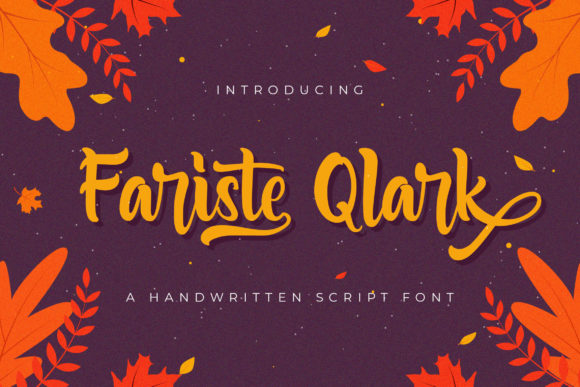
When selecting a font for a project, the right choice can transform the overall look and feel of any design. Fariste Qlark stands out as an elegant and flowing handwritten font that brings a sense of artistry and sophistication to both digital and print media. Its balanced characters and natural flow make it a versatile option suitable for a wide range of creative applications.
What Makes Fariste Qlark Unique?
Fariste Qlark is designed to mimic the fluidity of handwriting while maintaining a level of professionalism that makes it appropriate for various uses. Unlike some other script fonts that may appear too informal or difficult to read, this font strikes a perfect balance between artistic expression and readability.
The font's character structure is carefully crafted to ensure that each letter flows smoothly into the next, creating a visually pleasing effect without sacrificing clarity. This makes it particularly effective for headings, logos, invitations, and even body text in more stylized designs.
One of the standout features of Fariste Qlark is its PUA (Private Use Area) encoding. This means users have easy access to all the glyphs and swashes included in the font. The ability to customize individual characters allows designers to add unique flourishes and variations that enhance the visual appeal of their work.
Comparing Fariste Qlark with Other Handwritten Fonts
In the world of typography, there are many handwritten fonts available, each with its own strengths and weaknesses. When comparing Fariste Qlark with similar options, several key factors come into play, including legibility, stylistic versatility, and ease of use.
Fonts like Brush Script MT and Playfair Display are often used in similar contexts but differ significantly in terms of character design and application. Brush Script MT, for example, has a more casual, loose appearance that may not be suitable for formal documents or professional branding. In contrast, Fariste Qlark offers a cleaner, more refined aesthetic that works well across multiple design scenarios.
Playfair Display, while elegant, is a serif font and lacks the organic feel of a true handwritten typeface. Fariste Qlark provides the best of both worlds by combining the beauty of cursive writing with the structured elements of a professional font.
Strengths and Limitations of Fariste Qlark
Like any font, Fariste Qlark has its strengths and limitations. On the positive side, it excels in situations where a touch of elegance and creativity is needed. Its flowing lines and well-balanced characters make it ideal for use in branding, marketing materials, and editorial design.
However, due to its handwritten nature, it may not be the best choice for long-form content such as reports or technical documentation where readability is paramount. In these cases, a more traditional sans-serif or serif font would be more appropriate.
Another consideration is the learning curve associated with using the PUA-encoded glyphs. While this feature adds flexibility, it may require some time to become familiar with accessing and utilizing the full range of characters available.
Best-Fit Situations for Using Fariste Qlark
Fariste Qlark shines in projects that benefit from a personal and artistic touch. Here are a few scenarios where this font can make a significant impact:
- Branding and Logos: The font’s elegant style can help create a memorable brand identity that feels both professional and approachable.
- Wedding Invitations and Cards: Its soft, flowing curves make it perfect for special occasions where a romantic and heartfelt tone is desired.
- Magazine Covers and Editorial Design: The font adds visual interest and helps draw attention to headlines and titles.
- Product Packaging: It can be used to add a unique flair to product labels and packaging, making them stand out on store shelves.
In each of these cases, Fariste Qlark enhances the visual appeal of the design while maintaining a level of professionalism that is essential for commercial success.
When to Consider Alternatives
While Fariste Qlark is an excellent choice for many design applications, there are instances where another font may be more suitable. For example, if a project requires high readability in large blocks of text, a clean sans-serif font like Arial or Helvetica might be a better fit.
Similarly, for very formal or academic settings, a traditional serif font such as Times New Roman or Garamond could be preferable. These fonts are designed for maximum legibility and are often associated with credibility and authority.
It is also worth noting that the PUA encoding feature, while beneficial, may not be necessary for every designer. Those who prefer simplicity and straightforward usage might find that a standard font without additional glyphs is sufficient for their needs.
Practical Examples and Comparisons
To illustrate how Fariste Qlark performs in real-world applications, consider the following examples:
Example 1: A luxury skincare brand looking to redesign its packaging could use Fariste Qlark for the product names and taglines. This would give the brand a sophisticated and luxurious feel that aligns with its image.
Example 2: A wedding planner designing custom invitations might choose Fariste Qlark for the main text and event details. The font’s elegant curves and natural flow would complement the romantic theme of the event.
Comparison: If the same brand were to use Brush Script MT instead, the result might be too casual or unprofessional. Conversely, using a serif font like Georgia would lack the personal touch that Fariste Qlark provides.
These comparisons highlight how the choice of font can influence the overall message and perception of a design.
Conclusion
Fariste Qlark is a remarkable addition to any designer’s toolkit, offering a blend of elegance, versatility, and practicality. Whether used for branding, editorial design, or special events, this font has the potential to elevate the visual quality of any project.
While it may not be the best choice for every situation, understanding its strengths and limitations can help designers make informed decisions about when and how to use it effectively. By considering the specific needs of each project, designers can determine whether Fariste Qlark is the right fit or if another font might be more appropriate.