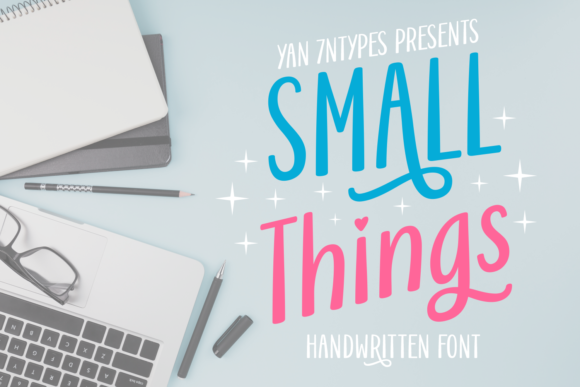
Small Things: A Delicate Handwritten Font for Thoughtful Design
The font known as Small Things is a sweet and delicate handwritten style that brings a sense of warmth, intimacy, and personalization to any design. With its dainty curves and joyful character, this font is ideal for creating wedding invitations, greeting cards, and other creative projects that demand a romantic or personalized touch. Whether you're an entrepreneur looking to add a unique signature to your branding or a hobbyist crafting custom stationery, Small Things offers a versatile and elegant solution.
Understanding the Role of Small Things in Design
Small Things isn't just another font—it's a design element that can elevate the emotional impact of your work. It fits naturally into workflows where visual storytelling matters, such as marketing materials, social media content, or personal correspondence. Its hand-drawn feel makes it especially suitable for projects that aim to evoke nostalgia, sincerity, or charm.
In broader design processes, Small Things serves as a tool for differentiation. In a world saturated with digital fonts, using a handwritten style like this one can make your designs stand out. It’s particularly effective when paired with clean, modern typography, creating a balance between organic and structured aesthetics.
Integrating Small Things Into Your Workflow
When considering how to use Small Things, it's important to think about where it best complements your existing tools and methods. This font works well before, during, and after various stages of a project:
- Before a Project: Use Small Things in brainstorming sessions or mood boards to set a tone that reflects the desired sentiment of your final output.
- During a Project: Apply it to headings, signatures, or accent text in presentations, flyers, or promotional materials. It adds personality without overwhelming the main message.
- After a Project: Incorporate it into thank-you notes, feedback forms, or follow-up communications to maintain a consistent and heartfelt brand voice.
For example, if you're designing a wedding invitation, you might pair Small Things with a more formal sans-serif font for the event details. This creates a cohesive yet layered look that feels both professional and personal.
Practical Implementation Tips
To ensure that Small Things integrates smoothly into your workflow, consider the following tips:
- Test Compatibility: Before committing to using Small Things in a large-scale project, test it across different platforms and file types (e.g., PDFs, web banners) to ensure it renders consistently.
- Use for Accent Text: Reserve Small Things for accents rather than body text. Its delicate nature may not be readable in long passages.
- Pair with Complementary Fonts: Combine Small Things with fonts that have a contrasting weight or style—such as bold sans-serif or serif fonts—to create visual interest.
- Consider Readability: Ensure that the font size and spacing are appropriate for the medium you're using. Too small or too cramped, and the charm of Small Things may become difficult to read.
By applying these strategies, you'll maximize the effectiveness of Small Things while maintaining clarity and professionalism in your design work.
Workflow Integration and Long-Term Use
When integrating Small Things into your long-term workflow, think about how it aligns with your overall design philosophy. If you're working on a series of branded materials, such as social media posts or packaging, using Small Things consistently can help build a recognizable and emotionally resonant brand identity.
Additionally, consider how Small Things interacts with other tools and resources. For instance, if you're using graphic design software like Adobe Illustrator or Canva, you can easily import the font and apply it to text layers. You might also explore pairing it with illustration assets, textures, or color palettes that enhance its delicate aesthetic.
For those who frequently send handwritten-style messages or need to create custom templates, Small Things can be embedded into digital templates for easy reuse. This ensures that every communication maintains a consistent and thoughtful appearance, whether it's an email signature, a business card, or a thank-you note.
Real-World Use Cases and Outcomes
Small Things has found a home in many practical applications beyond just weddings and personal cards. Here are some real-world scenarios where it shines:
- Marketing Materials: Use Small Things for taglines or call-to-action buttons on websites or print ads to add a human touch.
- Personal Branding: Incorporate it into your signature block on emails or social media bios to reflect your personality and attention to detail.
- Educational Resources: Teachers or educators can use Small Things in handouts or classroom materials to create a warm and inviting learning environment.
- Event Invitations: Whether it's a birthday party, anniversary, or corporate event, Small Things adds a special flair that guests will remember.
These use cases highlight how Small Things can be adapted to fit a wide range of needs while maintaining its core qualities of elegance and simplicity.
Conclusion
Small Things is more than just a font—it's a tool for adding depth, emotion, and individuality to your creative projects. By understanding how to use it effectively within your workflow, you can leverage its unique qualities to produce designs that resonate with your audience. Whether you're a professional designer or a hobbyist, incorporating Small Things into your process can bring a new level of charm and authenticity to your work.