Horse Gate Font: A Minimalist Sans Serif for Versatile Design Projects
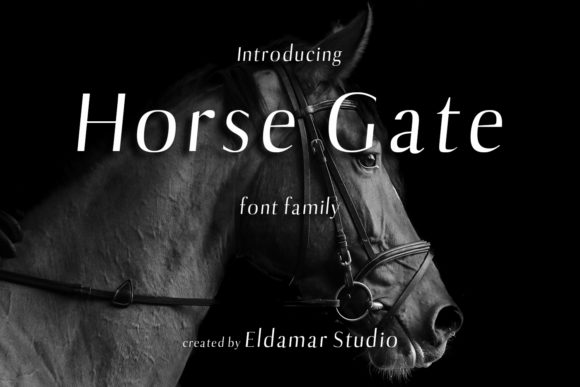
Horse Gate is a minimalist, neat sans serif font that has gained attention for its clean lines and adaptable style. Designed with simplicity in mind, it offers a versatile solution for a wide range of design projects. Whether you're working on branding, web development, or print media, Horse Gate provides a subtle yet impactful typographic presence.
Understanding Horse Gate
Horse Gate is characterized by its straightforward letterforms, uniform stroke widths, and lack of decorative elements. This makes it an excellent choice for projects where clarity and readability are essential. The font's structure ensures that text remains legible even at smaller sizes, which is particularly useful for body copy or interface elements.
The name "Horse Gate" may not be immediately descriptive of the font's appearance, but it reflects the designer's intention to create something that is both functional and distinctive. While the origin of the name is not widely documented, the font itself stands out for its ability to blend seamlessly into various visual contexts.
Why Consider Horse Gate?
There are several reasons why someone might choose Horse Gate for their design work. First, its minimalism allows it to complement rather than compete with other visual elements. This is especially valuable in modern design trends that prioritize whitespace and simplicity.
Second, the font's versatility means it can be used across multiple platforms and mediums. From digital interfaces to printed materials, Horse Gate maintains a consistent aesthetic. This consistency helps reinforce brand identity and ensures that messaging remains clear and professional.
Additionally, Horse Gate is well-suited for multilingual projects due to its balanced character set. It supports a broad range of languages, making it a practical option for global audiences or international businesses.
Benefits and Tradeoffs
One of the primary benefits of Horse Gate is its ease of use. The font's simple design reduces cognitive load, allowing readers to focus on the content rather than the typography. This is particularly beneficial for websites, mobile apps, or documents where readability is key.
Another advantage is its compatibility with a wide array of design tools and software. Horse Gate is available in standard font formats, ensuring that it can be easily integrated into most design workflows without technical complications.
However, there are also tradeoffs to consider. Because of its minimalism, Horse Gate may not be suitable for projects that require a more expressive or stylized typeface. If your design needs to convey a strong emotional tone or unique personality, a more decorative font might be a better fit.
Additionally, while Horse Gate excels in readability, it may lack the visual interest needed for certain creative applications. In cases where typography plays a central role in the design, such as logos or editorial layouts, a bolder or more distinctive font could provide greater impact.
Situations Where Horse Gate Excels
Horse Gate is a strong fit for projects that prioritize clarity and functionality over ornamental design. For example, it works well in:
- Corporate branding: Its clean appearance aligns with professional and modern business identities.
- Web interfaces: The font enhances usability by improving text legibility on screens.
- Printed materials: From brochures to reports, Horse Gate ensures that information is easy to read and visually appealing.
- Educational content: Its straightforward style supports readability in textbooks, presentations, and learning resources.
In these scenarios, Horse Gate helps maintain a cohesive and polished look without drawing unnecessary attention to the typography itself.
When to Consider Alternatives
While Horse Gate is a solid choice for many projects, there are situations where alternative fonts may be more appropriate. For instance, if you're designing a logo or a poster that requires a more dynamic or artistic feel, a serif or script font might be more effective.
Similarly, if your project involves complex layouts with a lot of visual hierarchy, a font with varying weights and styles could offer greater flexibility. Horse Gate's uniformity, while advantageous in some contexts, may limit options when more typographic variation is needed.
It's also worth considering the target audience. If your users have specific preferences or if accessibility is a concern, testing different fonts can help determine which one best meets their needs.
Practical Decision-Making Insights
When deciding whether to use Horse Gate, start by evaluating the purpose of your project. Ask yourself: Does the design need to communicate professionalism and clarity? Is the goal to keep the focus on the message rather than the typeface?
If the answer is yes, then Horse Gate is likely a good match. However, if your project requires more visual flair or typographic variety, exploring other options may be worthwhile.
It's also helpful to test Horse Gate alongside other fonts in your design. Seeing how it interacts with images, colors, and layout elements can provide insight into its effectiveness. Remember, the right font should enhance the overall experience without overshadowing the content.
Ultimately, the decision to use Horse Gate should be based on the specific needs of your project and the goals you want to achieve. By carefully considering its strengths and limitations, you can make an informed choice that supports your creative vision and communicates your message effectively.