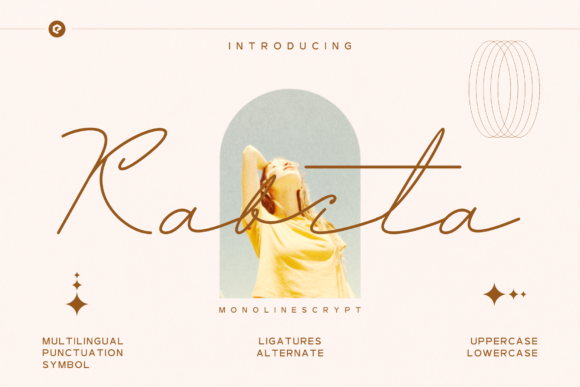
Kabita: A Modern Script Font for Creative Projects
Kabita is a modern script font that brings elegance and versatility to any design project. With its thin, flowing lines and balanced character shapes, it offers a clean yet expressive look that works across a wide range of creative fields. Whether you're designing logos, social media graphics, or editorial layouts, Kabita provides the right blend of style and readability.
What Makes Kabita Stand Out?
Kabita's visual appeal lies in its well-proportioned characters and smooth transitions between letters. It’s a premium script font that feels both professional and approachable. The font's modern typography makes it ideal for digital and print applications alike, while its PUA encoding ensures easy access to all glyphs and swashes.
Its personality is subtle yet distinctive. Kabita doesn’t shout—it whispers with sophistication. This makes it perfect for branding that wants to convey a sense of refinement without being too formal.
Visual Characteristics of Kabita
The font features thin strokes and rounded terminals that give it a soft, handwritten feel. Each letter is carefully crafted to maintain consistency in weight and spacing, which helps preserve readability even at smaller sizes. Kabita also includes a variety of stylistic alternates, allowing designers to customize their text with unique flourishes and ligatures.
Compared to other script fonts, Kabita strikes a balance between traditional calligraphy and contemporary design. It avoids the overly ornate details of some serif scripts while retaining the organic flow of a handwritten typeface.
Where Kabita Works Best
Kabita's versatility means it can be used in various contexts—from digital interfaces to printed materials. Here are some of the best use cases for this font:
- Logo Design: Kabita’s elegant curves make it a great choice for logos that need to feel both modern and personal. Its minimalist style allows for clear brand recognition without overwhelming the viewer.
- Social Media Graphics: The font’s clean lines and balanced proportions work well for headlines and captions on platforms like Instagram and Facebook. It adds a touch of sophistication to posts without distracting from the message.
- Editorial Design: In magazines or blogs, Kabita can be used for titles and pull quotes. Its readability ensures that readers can easily navigate through content while enjoying the aesthetic appeal.
- Packaging Design: For product packaging, Kabita adds a refined touch that appeals to consumers looking for quality and attention to detail. It complements both minimalist and luxurious packaging styles.
- Web Design: As a display font, Kabita performs well in web headers and call-to-action buttons. Its modern look aligns with current design trends and enhances user engagement.
Choosing the Right Font Pairing
While Kabita is a strong standalone font, pairing it with complementary typefaces can enhance the overall design. Consider using a sans serif font like Helvetica or Arial for body text to create contrast and improve readability. This combination maintains a professional look while adding visual interest.
For more creative projects, try pairing Kabita with a serif font such as Garamond or Georgia. This mix can add depth and texture to your layout, especially in print or editorial designs.
Design Considerations and Practical Tips
When using Kabita, keep in mind how it affects visual hierarchy and brand perception. As a script font, it naturally draws attention, making it ideal for headlines and emphasis. However, it may not be the best choice for long blocks of text due to its decorative nature.
To ensure consistency in your design, always review the included font styles. Kabita likely comes with multiple weights or variations that can help you achieve different effects. Testing these options on your project will help you find the best match for your needs.
Readability is another important factor. While Kabita is designed for clarity, it's still a script font, so it should be used sparingly in dense text. When used appropriately, it can elevate the look of your content without compromising legibility.
Commercial Use and Licensing
If you plan to use Kabita in a commercial project, be sure to check the licensing terms. Many premium fonts require specific licenses for web use, print, or distribution. Always purchase the appropriate license to avoid legal issues and support the font designer's work.
For small business owners and entrepreneurs, Kabita can be an excellent investment. Its clean, modern appearance aligns with brands that want to appear professional and trustworthy. Whether you're creating marketing materials or website content, Kabita helps reinforce your brand identity with consistent typography.
In conclusion, Kabita is more than just a font—it's a design tool that can enhance the visual impact of your projects. By understanding its strengths and limitations, you can use it effectively across a variety of creative applications. From branding to publishing, Kabita offers a versatile solution that meets the demands of today's design landscape.