Plularius: A Handwritten Font for Creative Expression
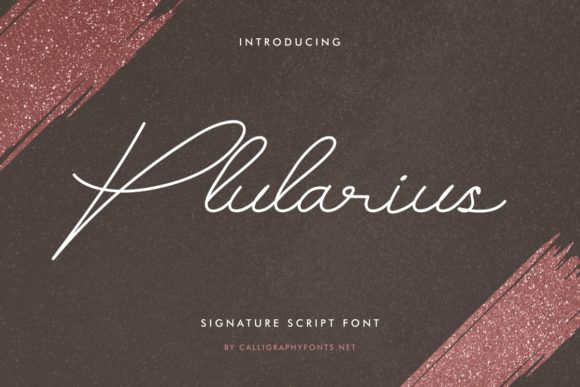
Plularius is a delicate, elegant, and flowing handwritten font that brings a sense of artistry and personal touch to any design project. Designed with attention to detail, it features beautifully balanced characters that make it a versatile choice for a wide range of creative applications. Whether you're working on branding materials, editorial designs, or digital content, Plularius can enhance the visual appeal of your work.
What Is Plularius?
Plularius is a typeface that mimics the natural flow of handwriting, giving it a unique and organic feel. Unlike more rigid and structured fonts, Plularius has a soft, fluid appearance that conveys warmth and personality. Its design includes subtle variations in stroke thickness and character spacing, which contribute to its readability while maintaining an artistic flair.
This font is particularly well-suited for projects that require a human touch, such as invitations, quotes, blog headers, and social media graphics. Its elegance makes it ideal for use in both print and digital formats, offering designers flexibility in their creative choices.
Why You Might Be Interested in Plularius
If you're looking for a font that stands out from the crowd, Plularius could be an excellent option. It offers a distinct alternative to standard sans-serif or serif fonts, allowing you to create designs that feel more personal and expressive.
Designers who prioritize aesthetics and want to evoke emotion through typography may find Plularius particularly appealing. Its delicate nature can help convey themes of creativity, individuality, and sophistication in a variety of contexts.
Benefits of Using Plularius
- Visual Appeal: The elegant and flowing style of Plularius adds a unique visual element to any design, making it stand out.
- Versatility: While it has a distinctive look, Plularius is balanced enough to work well with different color schemes and backgrounds.
- Readability: Despite its handwritten appearance, the font maintains good legibility, ensuring that text remains easy to read even in smaller sizes.
- Creative Flexibility: Designers can use Plularius in various ways, from headlines to body text, depending on the project's needs.
Considerations and Tradeoffs
While Plularius has many advantages, there are also some factors to consider before using it in your design projects. One important consideration is its suitability for long-form text. Because it is a handwritten font, it may not be the best choice for large blocks of body copy, where readability is crucial.
Additionally, the font’s delicate nature means it may not be suitable for all design contexts. For example, it might not be appropriate for formal documents or corporate branding where a more traditional or professional font would be preferred.
Situations Where Plularius Is a Strong Fit
Plularius shines in situations where a personal, artistic, or expressive feel is desired. Some common scenarios include:
- Branding and Logos: If you're creating a brand identity that values creativity and uniqueness, Plularius can add a memorable touch.
- Editorial Designs: It works well for magazine layouts, book covers, and other publications that aim to evoke emotion and style.
- Digital Content: Social media posts, website headers, and promotional banners benefit from the eye-catching appeal of Plularius.
- Event Invitations: The font’s elegant appearance makes it perfect for wedding invitations, party invites, and other special occasion materials.
When Alternatives May Be Worth Considering
Although Plularius is a great choice for certain projects, there are times when other fonts may be more appropriate. For instance, if you're designing for a formal or corporate setting, a more structured and professional font like Helvetica or Times New Roman might be better suited to the context.
Similarly, if your project requires high readability across long passages of text, a sans-serif font such as Arial or Calibri could be a more practical choice. These fonts are designed for clarity and consistency, making them ideal for documents that need to be easily scanned or read quickly.
Practical Decision-Making Insights
When deciding whether to use Plularius, it's important to evaluate the goals of your project. Ask yourself: What message am I trying to convey? Who is my audience? How does the font align with the overall tone and purpose of the design?
Consider testing Plularius in different contexts to see how it performs. Experiment with various sizes, colors, and backgrounds to ensure that it looks good across different platforms and devices. Also, think about how it will interact with other elements of your design—such as images, icons, and other text styles—to maintain a cohesive visual experience.
Ultimately, Plularius is a powerful tool for designers who want to add a touch of elegance and personality to their work. By understanding its strengths and limitations, you can make informed decisions about when and how to use it effectively in your projects.