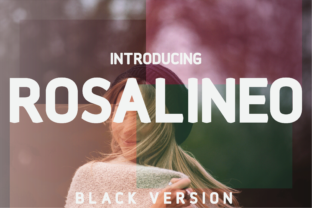
Rosalineo Black: A Modern Typographic Tribute to Helvetica
The Legacy of Helvetica and the Birth of Rosalineo Black
Helvetica has long been a cornerstone in the world of typography, known for its clean lines, neutrality, and versatility. It has graced everything from corporate logos to street signs, becoming a symbol of modern design. However, as digital media continues to evolve, so too must the fonts we use. Enter Rosalineo Black, a typographic homage to Helvetica that bridges the gap between classic design and contemporary screen readability.
Rosalineo Black is not merely an imitation; it's a thoughtful evolution of Helvetica’s principles, adapted for today’s diverse display environments. Whether used in large banners or small body text, this font maintains the clarity and elegance that Helvetica is famous for, while adding subtle enhancements that make it more suitable for digital consumption.
Design Characteristics That Set Rosalineo Black Apart
At first glance, Rosalineo Black may appear similar to Helvetica, but upon closer inspection, several key features distinguish it. The most notable is its optimized stroke contrast, which ensures that characters remain legible even at smaller sizes. This makes it particularly useful for websites, mobile apps, and other digital platforms where text size can vary dramatically based on device and user settings.
Another distinguishing characteristic is the slightly increased x-height, which improves readability without compromising the font’s minimalist aesthetic. This subtle adjustment helps maintain visual balance across different weights and sizes, making it a versatile choice for designers working across multiple mediums.
Additionally, Rosalineo Black incorporates refined serifs that add a touch of sophistication while preserving the clean, modern feel of Helvetica. These details ensure that the font remains both professional and approachable, fitting seamlessly into a wide range of design contexts.
Practical Applications in Modern Design
One of the primary advantages of using Rosalineo Black is its adaptability. Unlike some fonts that perform well in print but struggle on screens, this typeface has been meticulously crafted for both environments. For instance, when designing a website, you can confidently use Rosalineo Black for headlines, subheadings, and body text, knowing that it will render consistently across different devices and resolutions.
In the realm of branding, Rosalineo Black offers a fresh take on the Helvetica legacy. Companies looking to update their visual identity without abandoning familiar design principles can benefit greatly from this font. Its clean appearance and strong presence make it ideal for logos, packaging, and marketing materials that require both professionalism and modernity.
For developers and web designers, the font’s compatibility with common web technologies is another major plus. It supports all major operating systems and browsers, ensuring that your content looks consistent no matter where it’s viewed. This eliminates the need for additional plugins or fallback fonts, streamlining the development process.
Considerations Before Choosing Rosalineo Black
While Rosalineo Black offers many benefits, it’s important to consider whether it aligns with your specific project needs. Like any font, it has its own unique characteristics that may or may not be suitable for every application. For example, if you're working on a highly stylized design that requires a more distinctive typeface, Rosalineo Black might not be the best fit.
On the other hand, if your goal is to create a clean, readable, and professional look that feels both modern and timeless, this font is an excellent choice. It works particularly well in industries such as finance, technology, and healthcare, where clarity and trustworthiness are paramount.
Another consideration is licensing. While Rosalineo Black is available through various font foundries, it’s essential to review the licensing terms to ensure that you’re allowed to use it in your intended context. Some licenses may restrict commercial use or require attribution, so it’s always wise to double-check before finalizing your design choices.
How to Incorporate Rosalineo Black Into Your Workflow
Integrating Rosalineo Black into your design workflow is straightforward. Most graphic design software, including Adobe Illustrator, Photoshop, and InDesign, supports custom fonts. Simply download the font file and install it on your system, then select it from the font menu within your design tool.
If you're working on a website, you can use Google Fonts or a similar service to include Rosalineo Black directly in your CSS. This method allows you to manage font loading efficiently and ensures that your site remains fast and responsive.
For those who prefer a more hands-on approach, experimenting with different weights and styles of Rosalineo Black can yield interesting results. Pairing it with complementary fonts can enhance visual hierarchy and create a more dynamic layout. Just be sure to maintain consistency in your design to avoid overwhelming the viewer.
Real-World Examples and Scenarios
Imagine you're designing a corporate website for a financial institution. You want the site to feel trustworthy yet modern. By using Rosalineo Black for headings and body text, you achieve a clean, professional look that aligns with the brand’s values. The font’s readability ensures that users can easily navigate through the content, improving overall user experience.
In another scenario, suppose you're creating a mobile app for a health and wellness company. The app needs to be visually appealing and easy to read on small screens. Rosalineo Black’s optimized design ensures that text remains clear and legible, even at reduced sizes. This enhances usability and makes the app more accessible to a wider audience.
Even in print, Rosalineo Black shines. Consider a magazine layout where the font is used for article titles and captions. Its elegant yet modern appearance adds a touch of sophistication without overshadowing the content. This makes it a popular choice among designers who value both aesthetics and functionality.