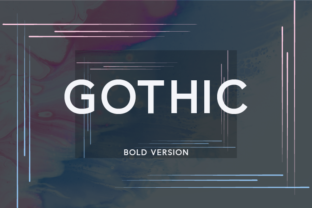
Gothic Bold for Modern Design
Gothic Bold is a modern and elegant sans serif font that brings a fresh perspective to typography. With its clean lines and strong presence, it offers versatility across various design contexts. Whether you're crafting a website, designing a logo, or preparing marketing materials, Gothic Bold provides a reliable foundation for your creative projects.
Understanding Gothic Bold
Gothic Bold stands out with its balance of strength and simplicity. Unlike traditional gothic fonts that often lean into ornate details, this sans serif version embraces minimalism while maintaining a bold character. Its geometric structure ensures readability even at smaller sizes, making it ideal for both headings and body text.
The font’s design reflects current trends in digital typography, where clarity and adaptability are essential. It features subtle weight variations and precise spacing that enhance legibility on screens and print media alike.
Creative Possibilities with Gothic Bold
Gothic Bold opens the door to a wide range of creative applications. Its modern aesthetic pairs beautifully with script and handwritten fonts, allowing designers to create visually engaging compositions. Here are some practical ways to use Gothic Bold:
- Headings and Titles: Use Gothic Bold for headlines to draw attention without overwhelming the reader. Its strong presence makes it perfect for blog posts, articles, and presentations.
- Logos and Branding: Incorporate Gothic Bold into logos for a contemporary yet professional look. It works well with minimalist designs and can be paired with other fonts for added depth.
- Marketing Materials: From brochures to social media posts, Gothic Bold adds a touch of elegance to promotional content. It ensures consistency across different platforms and formats.
- Web Design: Implement Gothic Bold in websites for a clean and modern interface. It supports responsive design principles and maintains readability across devices.
Adapting Gothic Bold for Different Goals
Depending on your project's needs, Gothic Bold can be adapted in various ways. For instance, if you're targeting a younger audience, pair it with playful script fonts to create a dynamic visual contrast. On the other hand, for a more formal tone, combine it with serif fonts to achieve a balanced and sophisticated look.
Consider the context in which the font will be used. In educational materials, Gothic Bold can help emphasize key points without distracting from the content. In branding, it can reinforce a sense of reliability and professionalism.
For digital projects, ensure that Gothic Bold is optimized for screen readability. Test it across different resolutions and devices to maintain its effectiveness. When using it for print, pay attention to resolution and color contrast to preserve its clarity.
Practical Inspiration and Recommendations
To get started with Gothic Bold, consider these real-world examples and tips:
- Website Redesign: Replace outdated fonts with Gothic Bold to give your site a fresh, modern feel. Use it for navigation menus, call-to-action buttons, and section headers.
- Print Media: Apply Gothic Bold in flyers, posters, and business cards. It works particularly well in layouts that require a strong visual hierarchy.
- Blog Posts: Enhance your blog’s readability by using Gothic Bold for subheadings and key phrases. This helps guide readers through your content more effectively.
- Social Media: Create eye-catching captions and posts with Gothic Bold. Its boldness makes it stand out in fast-scrolling feeds.
When experimenting with Gothic Bold, keep your design consistent. Avoid overusing it, as too much emphasis can dilute its impact. Instead, use it strategically to highlight important elements and maintain a cohesive visual style.
Tips for Effective Typography
Typography is an art form that requires careful consideration. Here are some tips to ensure your use of Gothic Bold is effective:
- Contrast: Pair Gothic Bold with fonts that offer contrast in weight and style. This enhances readability and visual interest.
- Spacing: Pay attention to letter and line spacing. Proper spacing prevents text from appearing cramped or cluttered.
- Color: Choose colors that complement Gothic Bold. Darker shades work well for headings, while lighter tones can be used for body text to reduce eye strain.
- Consistency: Maintain consistency in font usage throughout your project. This helps build brand recognition and improves user experience.
By following these guidelines, you can create designs that are not only visually appealing but also functional and user-friendly.
Gothic Bold is more than just a font—it’s a tool that empowers designers to express creativity with clarity and confidence. Whether you're working on a personal project or a professional campaign, it offers a versatile solution that meets the demands of modern design.